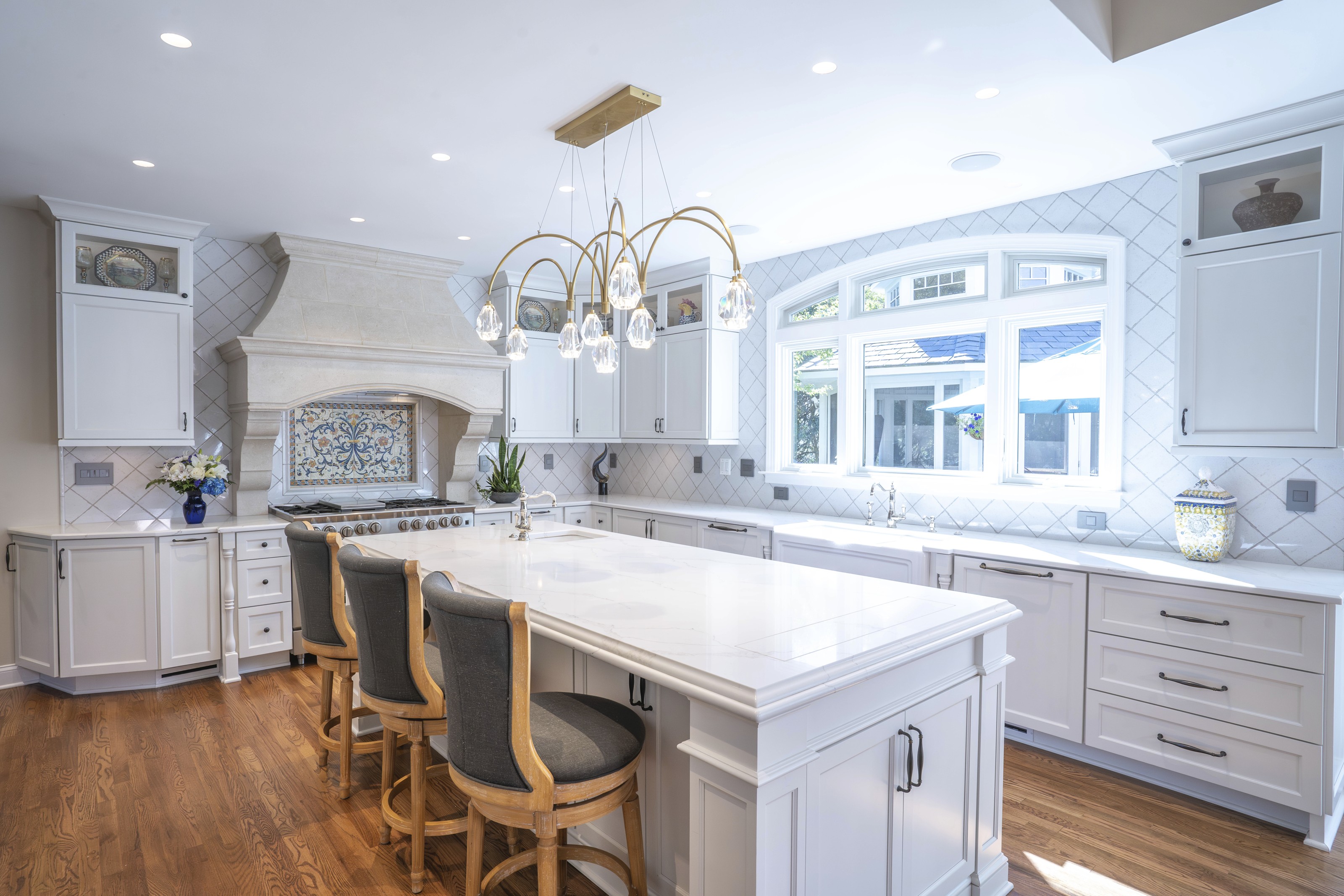
$100,000 in cabinets. $50,000 in profit.
Not one dollar of it went to the designer who sold them.
That designer was me. My salary was $75,000, with no bonus. That's how most showrooms and contractors work — and even once you're on your own, too many designers still aren't keeping what they earn. I believe that money belongs to the designer. Book a call and I'll show you how independent kitchen and bath designers keep it.
60 minutes with me. I take on only 10 designers a year, and [9] spots are open.
You'll leave knowing what your first year on your own could look like, and whether now is the right time.
The Ceiling
You know how this goes. A homeowner comes in overwhelmed. You listen, measure, draw, and solve the corner nobody else could figure out. They fall in love with the plan and sign the contract.
The builder's name is on that contract. Then you spend the next six months answering their texts, catching the wrong tile before it gets set, and fixing what the trades missed. You specified every cabinet, sold every upgrade, and caught every ordering mistake.
The showroom or builder marks up that cabinetry and keeps the difference. Your paycheck doesn't move.
You've asked for more. You got a small raise, a new title, or a "we'll revisit next year." That's the ceiling, and it was built into your job description.
And if you have young kids, you've probably hit a second ceiling: the workplace that won't bend, where a late start because of daycare drop-off counts against you.
It's not your talent. It's your seat.
You aren't underpaid because you aren't good enough. You're underpaid because you're sitting in the wrong seat. As an employee, you're a cost on someone else's job. As the lead, you're the reason the job exists, and you get paid like it.
The designers who break through aren't more talented than you. They just own the relationship with the client, and that changes everything.
"Here's what I believe: the margin on what a designer sells belongs to the designer. You did the work. You should keep the money."
Most great designers stay put for three reasons nobody taught them to solve: how to set up a real business, how to find clients without a builder's lead list, and how to run a renovation when they're the one in charge.
Those three things are learnable. I'll show you how.

Marta Layton, CKBD UDCP
Founder • Sunday Morning Kitchen & Bath
Industry Recognition
9× Remodeler of the Year
NARI
Why listen to me
I'm Marta Layton, and the designer in that headline was me. I was working at a high-end design-build firm when I sold one client $100,000 in cabinetry. The company cleared $50,000 on that single sale. My salary was $75,000 a year, with no bonus.
That wasn't one bad employer. It's how most of the industry works: showrooms and contractors keep the cabinetry margin, while the designer does nearly all the work of earning it.
Pay wasn't the only problem. At another firm, I was made to feel incompetent because I couldn't be at my desk at 8 a.m. sharp. I had a baby to drop off at daycare first.
Three years ago, my family moved to a new area. I had two kids, my youngest was a year and a half and still nursing, and I was trying to hold on to a full-time remote job. I was alone at home all day. No local firm was big enough to offer a design job with the flexibility my kids needed.
So I started offering my services directly to homeowners. For the first three months, I kept the remote job and built the business at the same time. That's how Sunday Morning Kitchen & Bath was born.
I built it without giving up my family. I'm a more present mother than any of my old jobs allowed me to be, and the business has changed what's possible for us financially. I want the same options for every kitchen and bath designer stuck in a workplace that won't bend.
On my own, I could finally serve homeowners the way I'd always wanted to. I choose the best vendors, not the ones an employer has a deal with, and nobody's margin decides what my clients get.
That experience is why Sunday Morning became a seven-figure business in its second year. In three years, we've finished 60 projects, and many of them are whole-home renovations, not just kitchens. Six more are under construction right now.
What changes when you're the lead
The skills don't change. You already have them. The seat does.
The client hires you first
You help the clients choose the right contractor instead of being assigned to one. I only work with contractors I love who follow my lead.
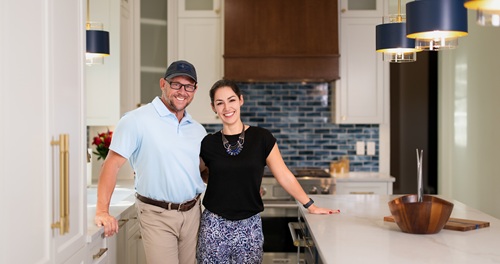
You set the fee
Design and project leadership are billed by you, not decided by someone else's payroll.
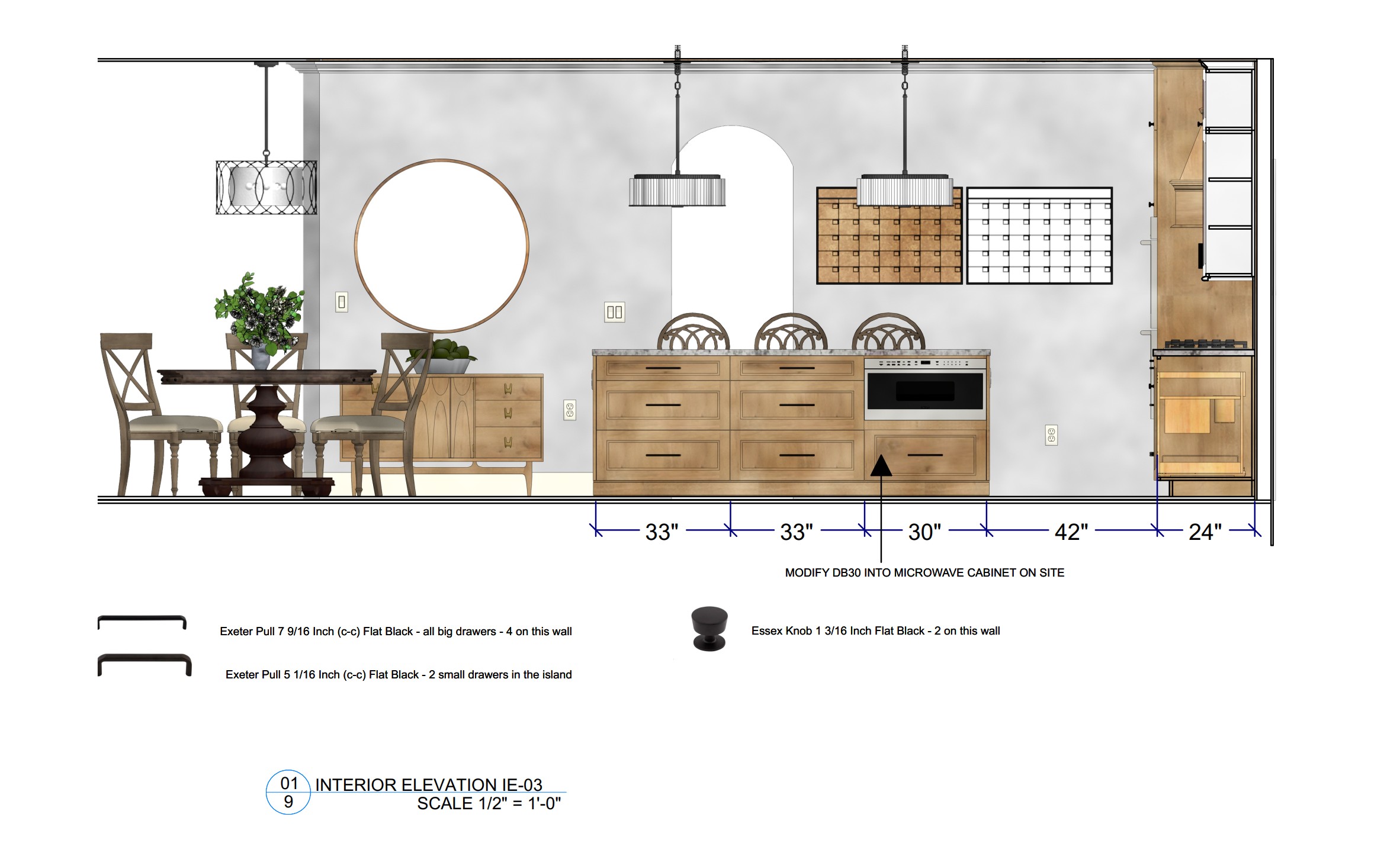
You set the standard
You choose the best vendors, not the ones your employer has a deal with, and your clients get the experience you always wanted to give them.

You run it start to finish
You stay in control from beginning to end, while not spending any major time on the jobsite.

You choose the work.
The projects you take, the clients you say no to, the calendar you keep.
Inside the Business in a Box
Coaching calls with me, plus the masterclass vault. Here's what it gets you:
1. Sell high fixed fees, predictably
How to structure your pricing and your sales conversations so clients say yes to a fixed fee that reflects your work. Plus the shortcuts for your website, socials, and the rest of your setup without spending a fortune, so your business looks as established as the firm you work for now, even when it's run from your home office.
2. Get clients who come to you directly
Two modules: building referral relationships that send you work, and doing your own marketing that brings homeowners in on your name. You never depend on a builder's lead list again.
3. Lead the renovation, not just the design
Run the project from first drawing to final punch list as the person in charge, and get paid for the job you're already doing.
4. Coaching on your real deals
Bring your actual proposals, bids, and client situations to weekly 1:1 and group coaching calls with me. You won't be figuring this out alone.
Is this the right fit?
This is for you if
- You run a full design yourself: layout, drawings, and every selection with the client.
- You design and price cabinetry.
- You're comfortable directing trades and vendors and taking financial responsibility for a project.
- Clients ask for you by name — whether someone else's company is getting the credit, or your own firm isn't yet paying you what that work is worth.
This isn't for you if
- ✕You're still learning the design side. Get great first; this will be here.
- ✕You want design work without owning the project. Leading the job is the whole point. If someone else makes the sale, you will always be at their mercy. It's hard to earn more than a usual salary this way.
- ✕You're looking for a shortcut. This is a real business, built on purpose.
What you're probably thinking
What happens on the call
Where you are now
Your role, your pay, your portfolio, and what's keeping you in place.
What your first year could look like
Real numbers for your market and the kind of projects you already design.
Whether this fits
I take on only 10 designers a year, so this call is how we both decide. If going independent isn't right for you yet, I'll tell you.
You're already doing the work of a firm owner.
Book the call and find out what it pays.
60 Minutes • 1:1 with Marta Layton • 9 Spots Remaining